

Upbeat negotiations define the talks between Greece and its lenders
Will Alexis Tsipras be able to navigate the bailout accord through Greek’s fractious parliament? Having tied the Gordian knot, Tsipras should be able to deliver this.
Will Alexis Tsipras be able to navigate the bailout accord through Greek’s fractious parliament? Having tied the Gordian knot, Tsipras should be able to deliver this.
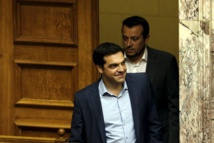
Alexis Tsipras has once again emerged victor by controlling the dissidents in his party and by utilizing the help of the pro-EU opposition, he has steered Greece through these difficult times and onto the next reform package.

Although Europe is readying twin life support systems that will uphold the Greek economy, disturbing questions remain as to how to best manage Greece’s gigantic public borrowing. Grexit is still a possibility.

Alexis Tsipras has pulled off, what many thought, to be impossible: he has passed those necessary legislations as demanded by his creditors. He has saved Greece from the brink of bankruptcy. The ball is now on the Eurozone’s finance ministers who have now to keep their part of the deal.

Having stormed to power promising tax cuts and the pains of financial reforms, Greek’s Prime Minister Alexis Tsipras, has now to ensure that financial reforms are in fact passed by his own coalition government. To make things more interesting – he has to do it with a ticking clock, otherwise all hell breaks loose.
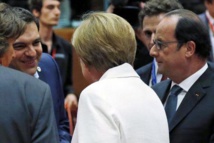
After a 17 hour marathon negotiation with its European partners, Greece has finally managed to clinch a deal.

While Alexis Tsipras and his finance minister turned up at an emergency meeting without any written proposals for reform, a senior EU official thinks that this is probably a strategy to gauge the mood of its creditors. On his part Tsipras seemed pretty clear: although he knows reforms will invariably be painful, for which he needs to move fast, so as to stop any possible revolt against it.
