France is engaged in discussions with several European countries about broadening its nuclear protection, as concerns increase in European capitals about the dependability of security assurances from the United States, according to The Wall Street Journal.
The discussions have seen the participation of ten European countries: the United Kingdom, Germany, the Netherlands, Belgium, Poland, Greece, Finland, Norway, Sweden, and Denmark. Lithuania, Latvia, and Estonia were excluded from the invitees, whereas Italy rejected Paris’s offer.
“We do not intend to deploy nuclear weapons on Finnish territory during peacetime. However, we intend to develop a strategic challenge for Russia,” Finnish President Alexander Stubb told the WSJ. “We believe that being informed and involved in this process would enhance our own security. We still don’t know where it will take us; it’s probably a 10-to-15-year project,” he noted.
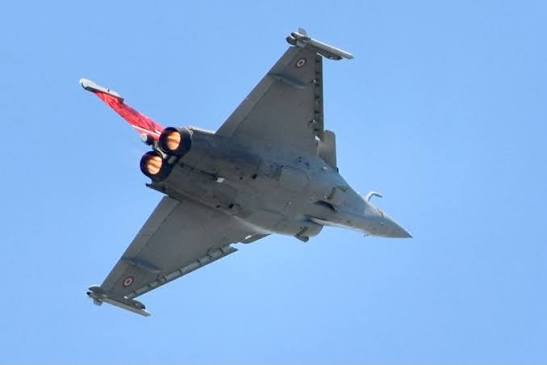
In March, French President Emmanuel Macron revealed intentions for Paris to enhance its nuclear capabilities. Recognizing that the U.S. will maintain a significant role in Europe’s defense, Macron indicated that recent statements from Washington imply that European countries need to assume more responsibility for their security. Macron has characterized his approach as “forward deterrence.” The WSJ reports that the strategy includes positioning French Rafale fighter jets—equipped to transport nuclear arms—at multiple sites throughout Europe, alongside the establishment of new infrastructure, communication networks, early-warning systems, and intelligence-sharing methods with allies.
“This presents a new challenge for the opponent, introducing an additional element that the Russians will need to consider,” said Xavier Chatel, a strategic affairs advisor to Macron, during a recent security conference in Warsaw. Additionally, the initiative offers France “fresh alternatives for deploying its nuclear capabilities in cases of nuclear escalation,” he observed.
source: wsj.com