

A Vulcan rocket from United Launch Alliance (ULA), a collaboration of Boeing and Lockheed Martin, experienced a failure soon after takeoff from the Cape Canaveral Space Force Station in Florida on November 15, according to Reuters.
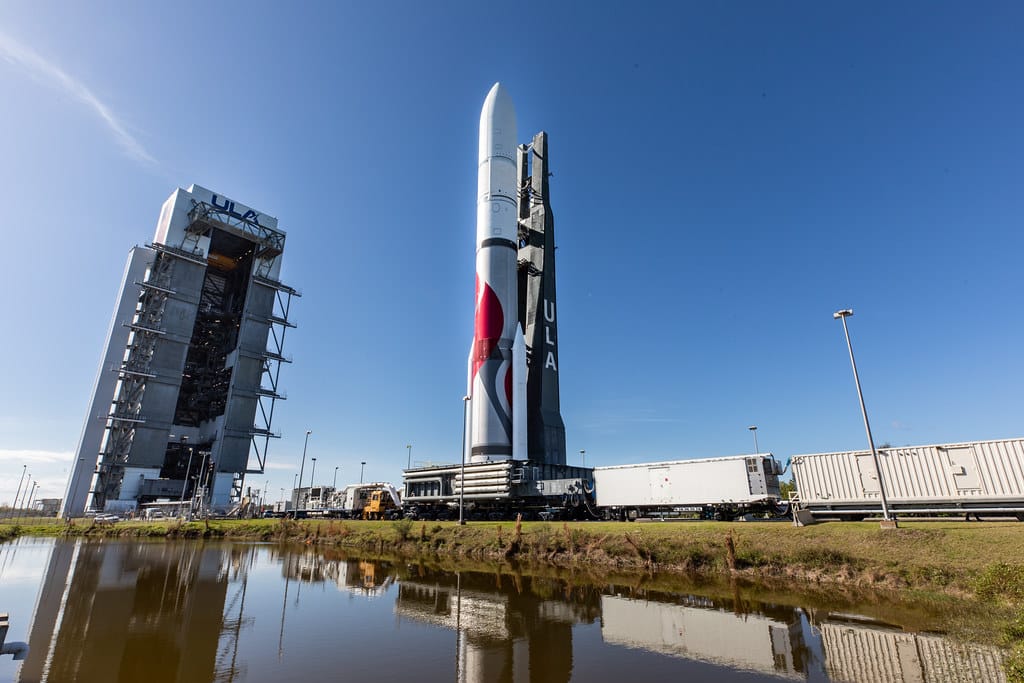
The event led to the loss of the payload: 40 satellites intended for Amazon’s LEO (low Earth orbit) internet system. As reported by the news agency, this signifies the inaugural mission failure in ULA’s two-decade history.
The rocket experienced a failure about 10 minutes after takeoff, according to Reuters. The reason for the failure has not been identified yet. “Due to the recent occurrence of the anomaly, we currently lack specific information to clarify what took place,” ULA stated.
The incident is anticipated to initiate a thorough technical examination, likely resulting in the rocket remaining grounded for several months. According to Reuters, this might worsen the already difficult launch environment in the United States: a scenario further complicated by additional industry-wide incidents and failures, along with the upcoming retirement of the Falcon 9 (SpaceX has ceased accepting new orders for this launch vehicle).
Reuters highlights that numerous earlier launches carried out by contractors for Amazon have also resulted in failure. This restricts the company’s capacity to rival SpaceX, which has over 11,000 satellites in its Starlink internet network.
As of now, Amazon has launched 398 LEO satellites through 14 missions: approximately 12% of the 3,236 satellites needed for worldwide coverage. The company aimed to start offering internet access through this network as soon as this year.
source: reuters.com
