

Bangladesh, the second-largest garment exporter globally, is presently experiencing widespread protests from workers in the light manufacturing industry. As reported by Reuters, many textile facilities have halted operations over the last two days.
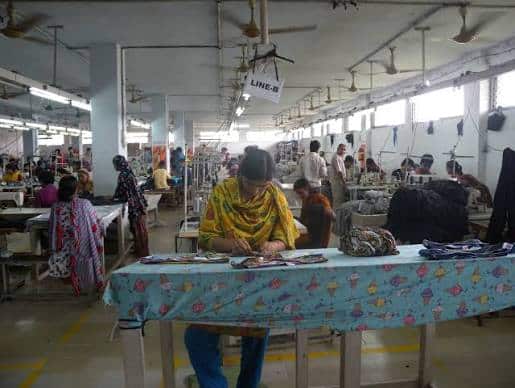
Workers are calling for the monthly minimum wage to be increased more than twofold—from 12,500 taka to 30,000 taka ($243). In key industrial centers, demonstrators have been obstructing highways, looting factories, and confronting law enforcement.
There are currently 679 production facilities that are inactive. Mahmud Hasan Khan, the head of the Bangladesh Garment Manufacturers and Exporters Association, reported that approximately 20 to 25 factories have been looted; additionally, an office of a leather goods firm was assaulted.
Law enforcement used tear gas as demonstrators tried to obstruct roads in Dhaka, hurled bricks and stones at police, and ignited a police car. Comparable disturbances also occurred in Ashulia and Gazipur, two industrial hubs located on the outskirts of Dhaka.
Reuters states that the labor demonstrations have heightened worries about possible shipment delays and a potential decline in buyer confidence. Bangladesh serves as a vital clothing supplier for leading international brands such as H&M, Zara, Walmart, and Primark. The agency observes that the demonstrations have arisen during a high point in the production cycle for spring/summer export orders.
Bangladeshi officials have cautioned that a major pay rise might elevate production expenses, reduce profit margins, and diminish the nation’s price competitiveness. To address the crisis, the government has formed a wage board responsible for examining the workers’ requests and finding a middle ground. The industry in Bangladesh provides jobs for almost 4 million individuals. The ready-to-wear clothing industry represents over 80% of the nation’s export revenue.
source: reuters.com
